

We're a global leader in premium drinks, one of the most dynamic consumer categories.


At Diageo, climate risk considerations are embedded in how we plan, operate and grow our business. From how we manufacture and distribute our products to how we make long-term investment decisions; it’s fundamental to the way we do business.
Taking action to reduce emissions and limit our impact on climate change remains critical. Alongside this, we’re also focused on minimising the negative impacts of climate change that are already being felt in our communities. As climate impacts intensify globally, this work becomes increasingly important – particularly in supporting communities, protecting critical water resources and strengthening our supply-chain resilience.
Our approach to climate action brings together both mitigation and adaptation, underpinned by a clear understanding of the assumptions and dependencies that will shape delivery over time.
This is reflected in the next step in our climate strategy: our Climate Transition Plan (CTP).
The CTP sets out a clear pathway to reduce emissions across our operations and value chain, manage climate-related risks, and prepare our business for a low-carbon, climate-resilient future. It is a roadmap that will evolve as conditions change.
This approach reflects our understanding that our licence to operate depends on addressing climate change and protecting the natural environment, shaping how we work across our business, partners and communities.
The strategy is guided by three core principles:
- Pursuing both climate mitigation and adaptation
- Focusing investment and effort where we can have the greatest impact
- Amplifying progress through collaboration across our value chain and beyond.
Across our operations, we aim to reduce emissions by increasing our use of renewable energy, improving the efficiency of our processes and energy use, and innovating how our products are made, packaged, and transported. Beyond our direct operations, we will continue to work closely with our suppliers, farmers, and customers to address challenges across the value chain, recognising that collective action is essential to achieve impact at scale.
Our strategy extends beyond carbon emissions alone, taking a holistic approach that integrates climate action with water stewardship, agriculture, nature and circularity. This is particularly evident in our adaptation actions, where water - central to our products and increasingly our most strategic climate risk- is requiring urgent and sustained focus.
Our climate transition plan is grounded in transparency, clearly setting out our key assumptions and dependencies, many of which are beyond our direct control.
Together, these elements are designed to build a more resilient supply chain, helping us to adapt to a world in transition, support collective climate action and ensure our business can continue to operate effectively amid growing climate risks.
You can read our Climate Transition Plan in full here
Discover more stories
08 Sep 2026
GlobalSustainability
Strengthening water resilience where it matters most
18 Aug 2026
GlobalOur BrandsVodka
Smirnoff Ice: From brand refresh to category outperformance

18 Aug 2026
GlobalOur BrandsRum
Bundaberg Rum in Australia
18 Aug 2026
GlobalOur BrandsBeer
Guinness: Turning moments that matter into brand growth
18 Aug 2026
GlobalOur BrandsScotch Whisky
Whisky in the UAE

11 Jun 2026
GlobalNorth AmericaLatin America and CaribbeanInnovationConsumer TrendsOur BrandsCultureVodkaLow and No AlcoholScotch WhiskyTequila
Kicking off the FIFA World Cup 2026™
05 Jun 2026
Latin America and CaribbeanSustainabilityTequila
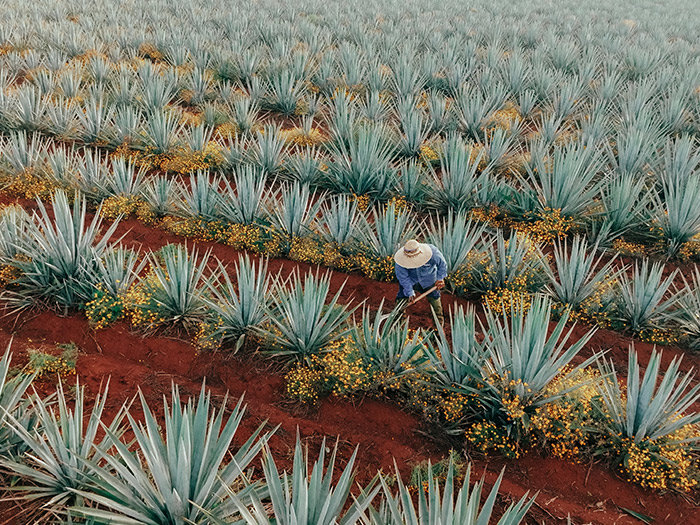
Tequila Don Julio and Diageo Mexico replenish more than double the volume of water used in tequila operations in Jalisco
28 May 2026
North AmericaInclusion and DiversityPositive DrinkingSustainability
Diageo and Washington Spirit Enter Year Two and Renew Purpose-Driven Partnership

15 May 2026
GlobalPositive Drinking
How we are supporting people to make positive choices about alcohol that are right for them
24 Apr 2026
Latin America and CaribbeanNorth AmericaOur BrandsCultureScotch Whisky
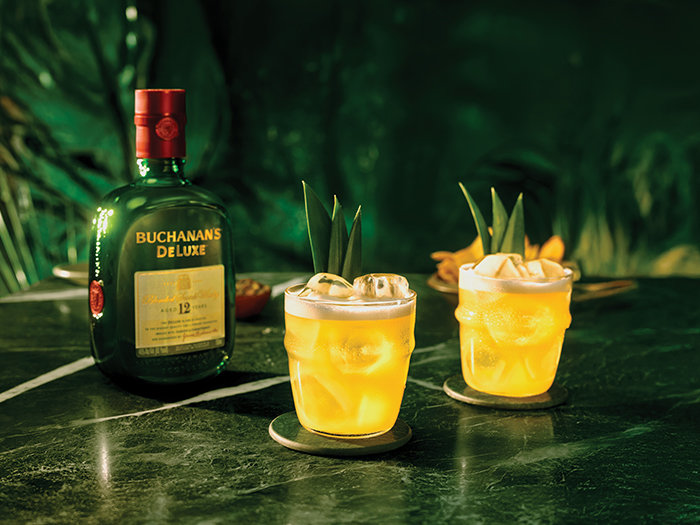
The Buchanan’s Legacy – from 1884 to the FIFA World Cup 2026™
30 Mar 2026
EuropeESG
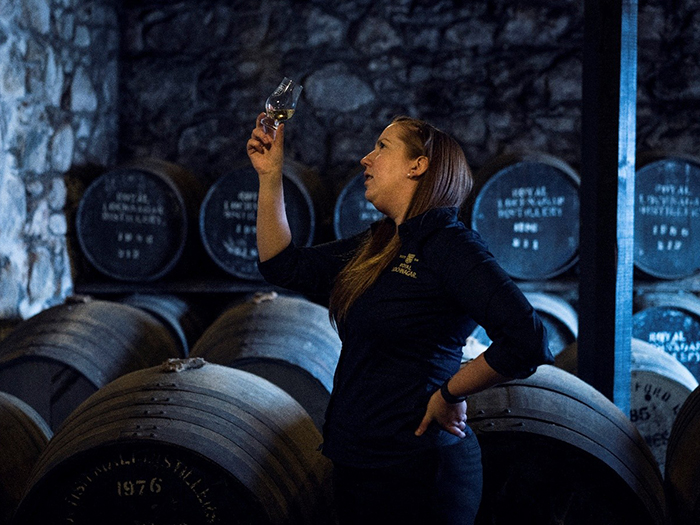
Diageo publishes Gender Pay Gap Report for Great Britain and Scotland

26 Mar 2026
GlobalAwards and Events
Raising a glass this red-carpet season