

We're a global leader in premium drinks, one of the most dynamic consumer categories.
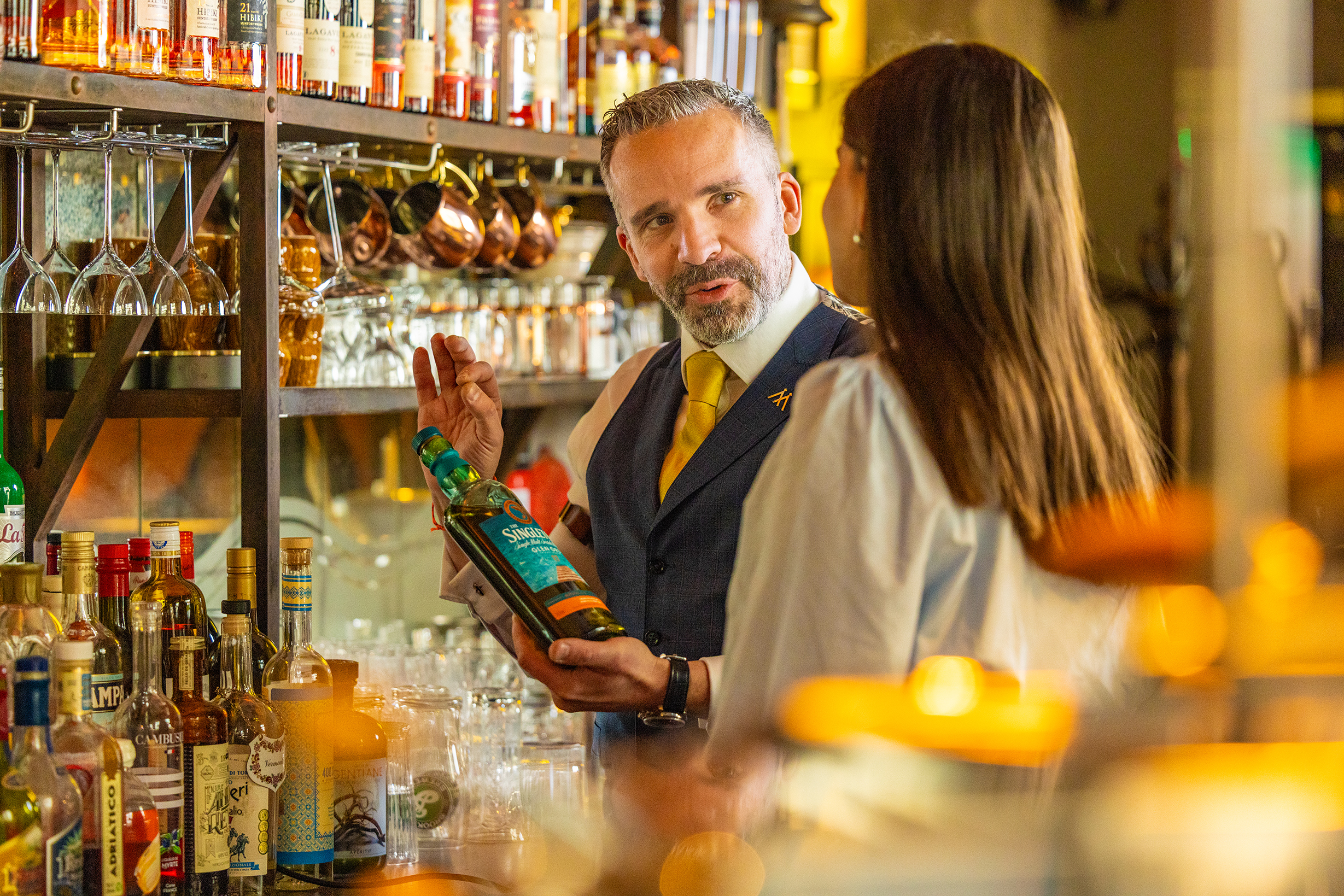
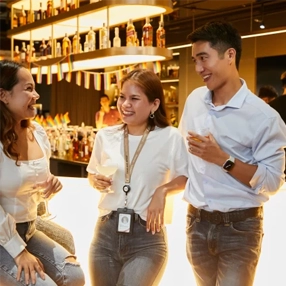
Whiskey, also spelled whisky, is a distilled spirit made from grain, water, and yeast. Steeped in centuries of tradition, its name comes from the Gaelic uisge beatha - “water of life”.
Whiskey vs Scotch: what's the difference?
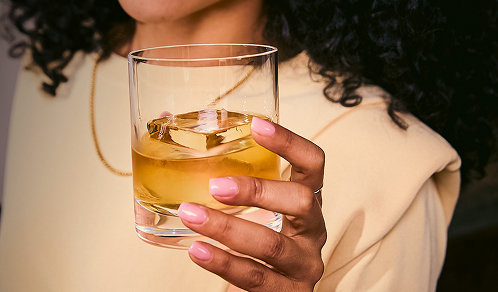
Scotch
Scotch whisky (note the spelling, without an e) is produced exclusively in Scotland and must follow strict rules: it can only be made from three ingredients - water, yeast and wholegrain cereals – matured in oak casks for at least three years, distilled below 94.85% ABV and bottled above 40% ABV.
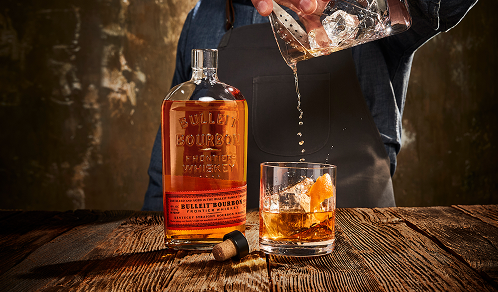
Whiskey
Whiskey, or sometimes whisky, is the broader term used for spirits produced outside Scotland, including those from the United States, Ireland, Canada and India. Many of the rules that apply to Scotch whisky also shape whiskey production worldwide, though each region has its own standards. Every whiskey begins with grain, yeast and water, but the type of cask, the length of maturation and even the climate add flavour, colour and character.
Our whisk(e)y brands and what makes them distinct
Latest stories
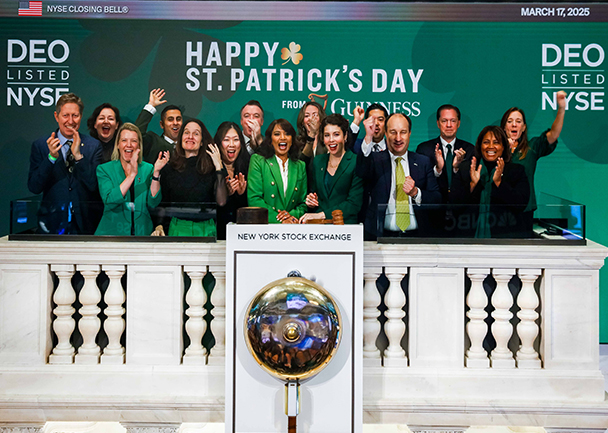
18 Mar 2025
EuropeNorth AmericaOur BrandsBeerLiqueurOther Whisk(e)y
A Diageo St Patrick’s Day weekend: from Dublin to New York
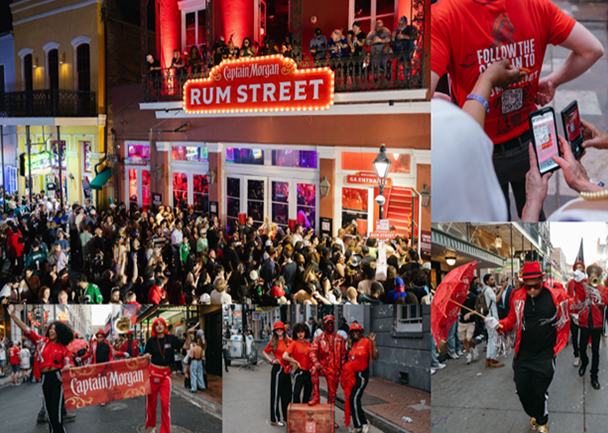
20 Feb 2025
North AmericaOur BrandsOther Whisk(e)yTequilaRumVodka
Diageo brands score big at Super Bowl LIX
21 Jan 2025
EuropeAfricaLatin America and CaribbeanAsia PacificNorth AmericaInnovationOur BrandsBeerGinLow and No AlcoholLiqueurRumOther Whisk(e)yTequilaScotch WhiskyVodka
Behind the science of Distilled
18 Mar 2024
Asia PacificESGConsumer TrendsOur BrandsSustainabilityLuxuryOther Whisk(e)y
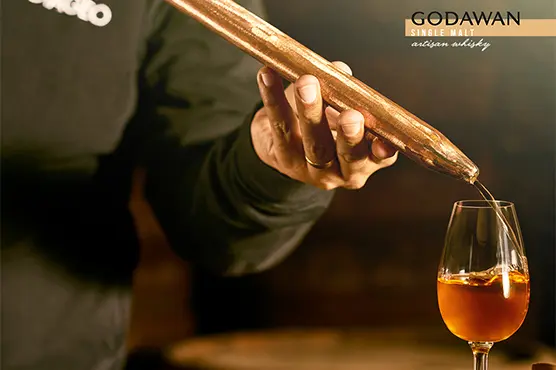
The Distilled Series 2: Betterment Brands and Godawan

09 Nov 2023
North AmericaOur PeopleESGInclusion and DiversityOther Whisk(e)yCrown Royal
Diageo North America Celebrates Veterans Day by Honoring US Military Troops with 8th Annual Military Service Appreciation Day Event
03 Aug 2023
ESGOur BrandsSustainabilityLuxuryOther Whisk(e)yJohnnie Walker
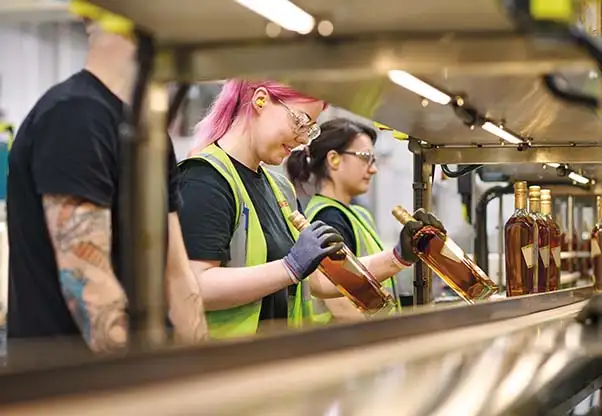
Supply chain efficiency: Unboxing premium scotch to reduce waste
10 Nov 2022
North AmericaESGOur PeopleOur BrandsInclusion and DiversityOther Whisk(e)yCrown Royal
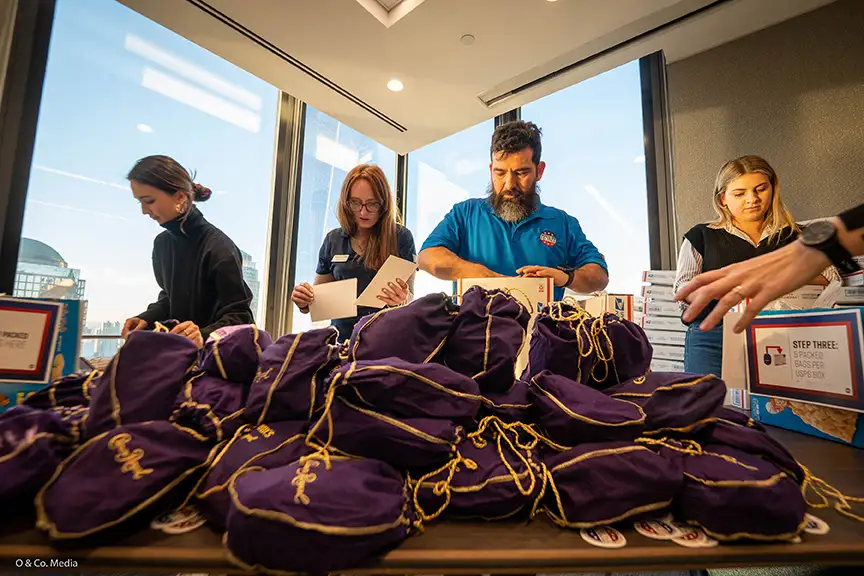
Diageo North America Honors US Military Troops on Veterans Day Through Annual Military Service Appreciation Day Event

04 Aug 2022
North AmericaInvestorsESGInnovationSustainabilityOther Whisk(e)yCrown Royal
Investing for the long term
30 Jun 2022
EuropeInnovationInvestorsOur BrandsAcquisitions and DisposalsOther Whisk(e)yJohnnie Walker
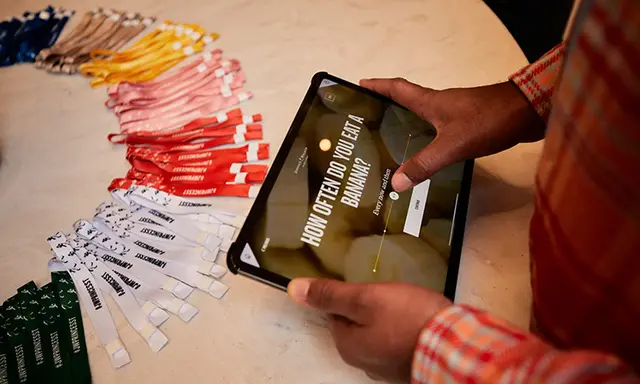
Diageo acquires Vivanda, owner of flavour matching technology behind ‘What’s Your Whisky’

09 Mar 2022
North AmericaESGOur BrandsSustainabilityOther Whisk(e)yCrown Royal
Diageo announces new carbon neutral Crown Royal Distillery in Canada

02 Nov 2021
Asia PacificInnovationESGOur BrandsSustainabilityOther Whisk(e)y
Diageo invests US$75 million to build our first malt whisky distillery in China
25 Oct 2021
EuropeESGAwards and EventsSustainabilityOther Whisk(e)y
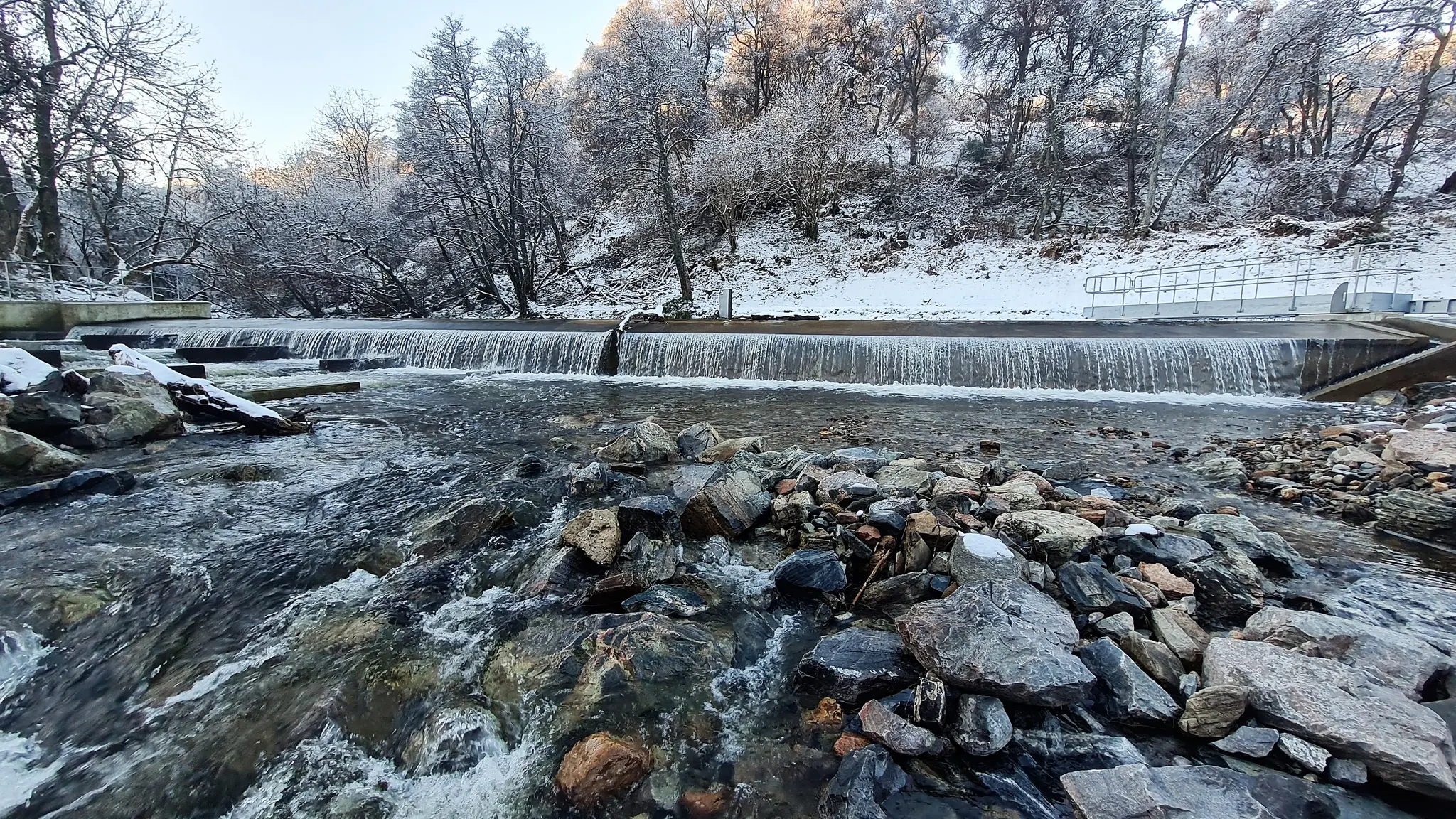
Diageo distilleries first to achieve water stewardship certification globally