

We're a global leader in premium drinks, one of the most dynamic consumer categories.
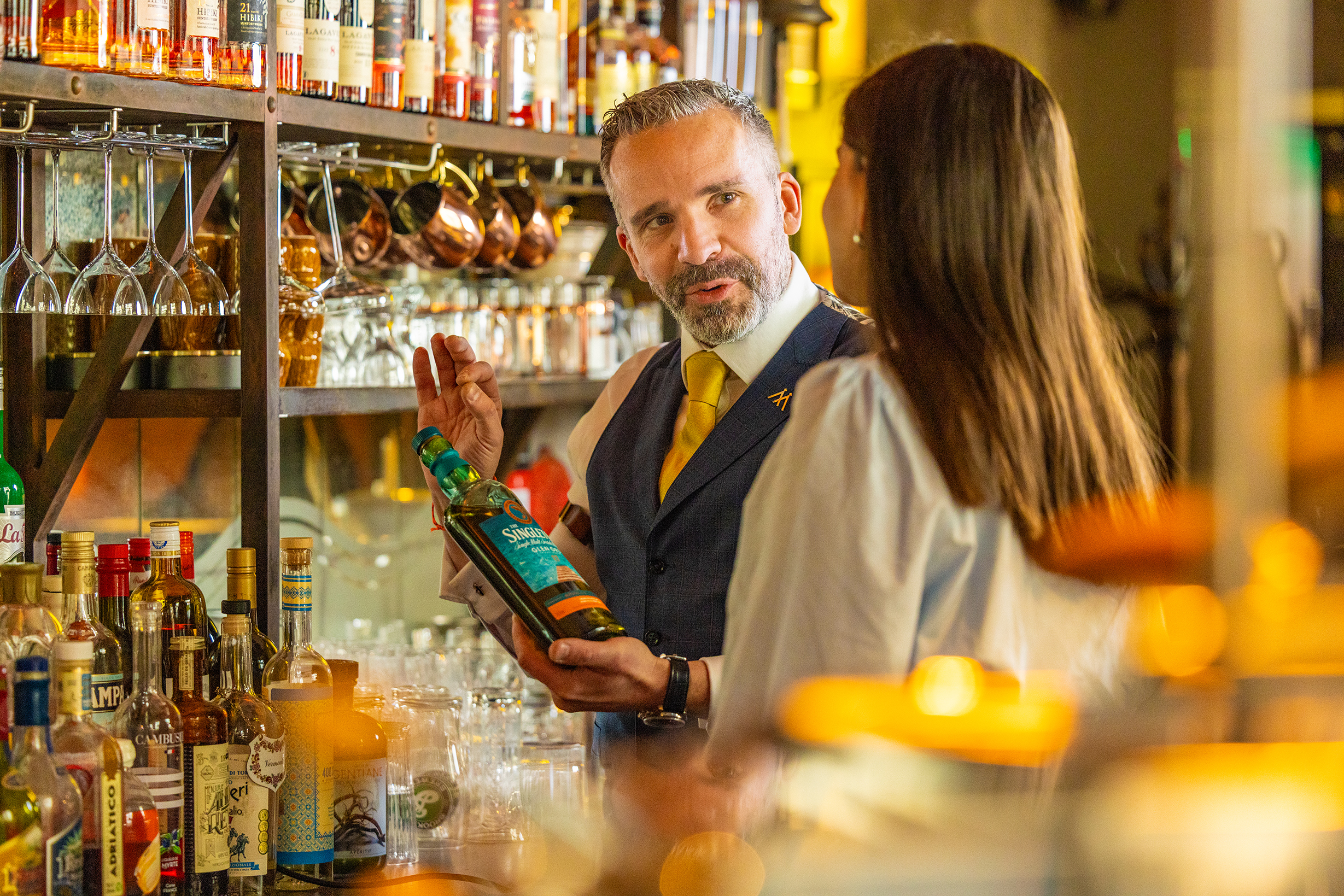
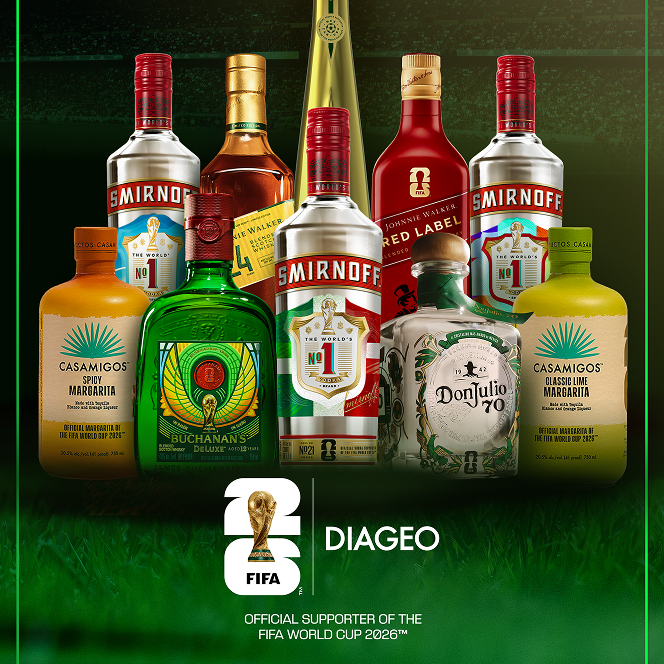

Diageo is proud to provide innovative, iconic brands and consumer choice.

12fl oz beer (5% ABV)

12fl oz canned cocktail (5% ABV)

5fl oz wine (12% ABV)

1.5fl oz spirit (40% ABV)
Alcohol is Alcohol
No type of alcohol is “safer” than another; what matters is how much we consume.
Many canned cocktails have a similar or lower alcohol by volume (ABV) than beer – yet antiquated laws impose excessive restrictions on when and where they can be sold.
The federal excise tax for a 12-ounce can of beer at 6% ABV is 5 cents; a wine-based spritzer is taxed at twice that rate (10 cents); and a spirits-based cocktail carries a 13-cent tax rate. They all have the same ABV.
Legislation and public policy need to keep up with changes and innovation.
New products that didn't exist 10 years ago should not be subject to Prohibition-era misconceptions and policies that further burden consumers. Lower taxes on new products that are the same or similar to taxes levied on beer would generate more economic activity and create new jobs.
14g or 0.6 fluid ounces of pure alcohol included
one "standard" drink
The Centers for Disease Control defines one "standard" drink as equal to 14 grams of alcohol, which means a 12-ounce beer with an ABV over 5.0%, has more alcohol content than a standard whiskey serving or canned cocktail.
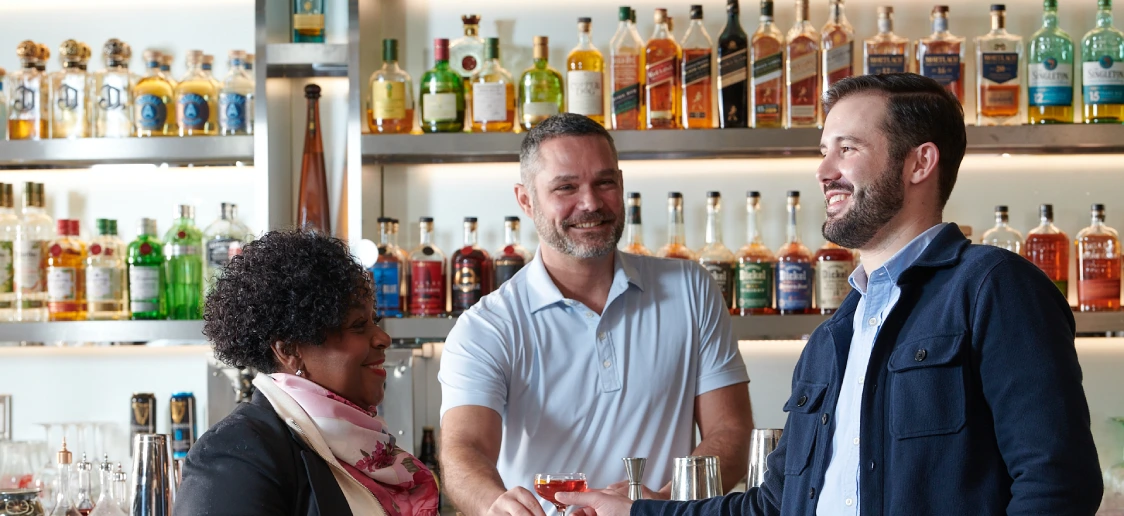
Consumers want choices and convenience, not higher taxes.
When buying distilled spirits, consumers are required to pay more in taxes — and often shop in different stores — than they would if they were buying beer. This is the case even though a standard serving of a spirits drink and a standard serving of beer both contain the same amount of alcohol. For example, a cocktail made with 1.5 ounces of tequila or whiskey (40% alcohol-by-volume, or “ABV”) contains the same amount of alcohol as a 12-ounce can of a 5% ABV beer.
This is evident with Ready-to-Drink (RTD) alcohol products, a category that includes “canned cocktails” and “hard seltzers.” Despite their similar alcohol content, spirits-based RTDs are taxed higher than other RTDs and are often required to be sold in different stores than beer. Seventy-five percent of American consumers 21+ say there should be no difference where beer and canned cocktails can be sold.

Made with premium ingredients

Innovative and well-balanced flavors

Increasing competition and supporting small businesses