

We're a global leader in premium drinks, one of the most dynamic consumer categories.

Fiscal 26 Preliminary Results

Fiscal 26 Preliminary Results Materials
We have published our Fiscal 26 Preliminary Results. Below you can read our press release and view our results materials.

Fiscal 26 Preliminary Results Webcast
Hear from Sir Dave Lewis, Chief Executive Officer and Nik Jhangiani, Chief Financial Officer, who share detail on our Fiscal 26 Preliminary Results.

Annual Report 2026
Find out more about our fiscal 26 performance, brand updates, and new strategy in our 2026 Annual Report.
Brands in action
Our new strategy has been deliberately designed to build and extract the benefits of Diageo’s scale, capability and portfolio. Below we have highlighted some of the ways in which this is already delivering stronger performance and growth.


F26 full year key performance metrics
Organic net sales growth in three of five regions
Guinness, Smirnoff RTD and Johnnie Walker standout performers
Organic operating profit growth mainly due to cost savings partly offset by adverse mix and tariffs
Free cash flow supported by lower capex and maturing stock
Full year recommended dividend of 50 cents, moved to dividend payout policy 30-50%, minimum floor 50 cents p.a.
1 Excluding year-on-year decline Chinese white spirits (CWS)
For additional information on non-GAAP measures please see financial/legal appendix
View our results presentation
For additional information on non-GAAP measures please see financial/legal appendix
-2%
Organic net sales
Excluding CWS c.0.5%1
+2%
Organic operating profit
Excluding CWS c.4.51
165.3c
Pre-exceptional EPS
$3,211m
Free cash flow
ESG
Spirit of Progress
Spirit of Progress is our ongoing ESG action plan. It focuses on the biggest environmental and social opportunities and risks we face, across four priority areas: promoting positive drinking, championing inclusion and diversity, pioneering grain-to-glass sustainability, and doing business the right way.
Promote
positive drinking
One of the ways we educate people on the dangers of underage drinking is through our supported education programme, SMASHED. We aim to reach 10 million young people, parents and teachers by 2030.
8.15m
9.87m
10m
Number of people reached over time
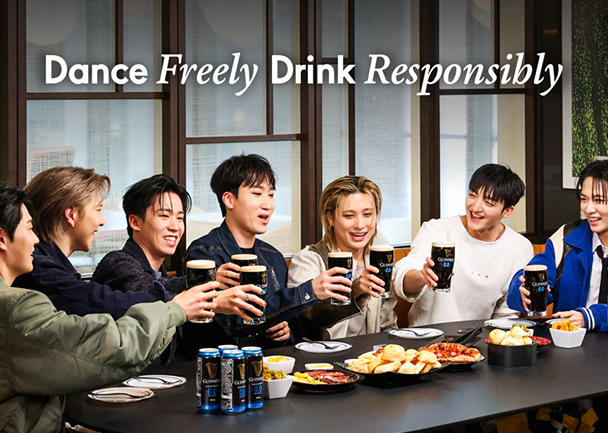
Diageo Korea launches latest K-culture-focused responsible drinking campaign
Diageo follows up on its 2024 K-pop responsible drinking moment, with a new K-dance inspired campaign, “Dance Freely, Drink Responsibly”
Champion diversity & inclusion
Championing inclusion and diversity is at the heart of what we do, and is crucial to our purpose of 'celebrating life, every day, everywhere'
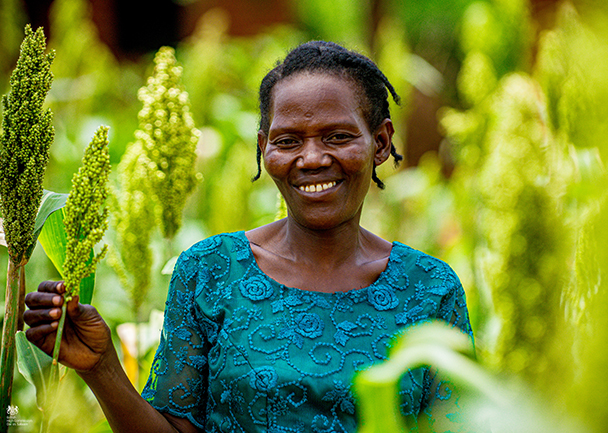
Helping our smallholder farmers tackle the impacts of climate change and gender inequality
This year, the UN’s theme for International Women’s Day is: ‘For ALL women and girls: Rights. Equality. Empowerment.’ Ahead of the day, we spoke to the CEO of CARE International – a humanitarian agency – Helen McEachern, and Diageo’s Head of Community Impact, Amanda Smith, about their latest case study in Tanzania. The research explores the impacts of climate change on gender inequality, and here they share how tackling the issues in tandem can deliver better outcomes for both business growth and community resilience.
Pioneer grain-to-glass sustainability
We're building a supply chain that helps our communities adapt to climate change and strengthens our business for the long term. We're focusing on water and carbon, where we can make the biggest difference.
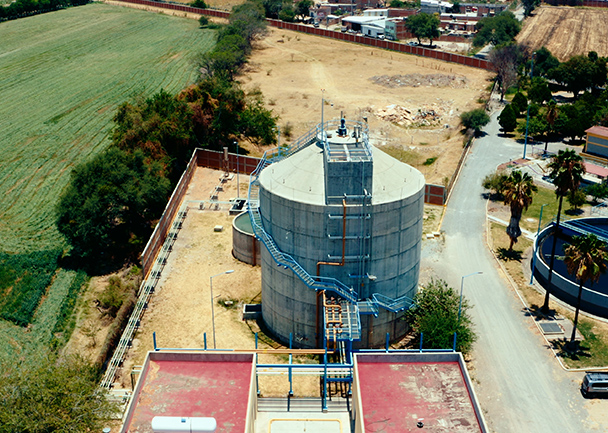
Driving water security in Mexico and Türkiye
Water is fundamental to Diageo; without it, we simply can't make our products or operate as a business. Our strategy, Preserve Water for Life, is aimed at mitigating this risk and improving the resilience of our water basins and communities.

Hear from our Pensions Team leader, Amanda Pennycook, about why having Carers Leave is important to her
